

Overview
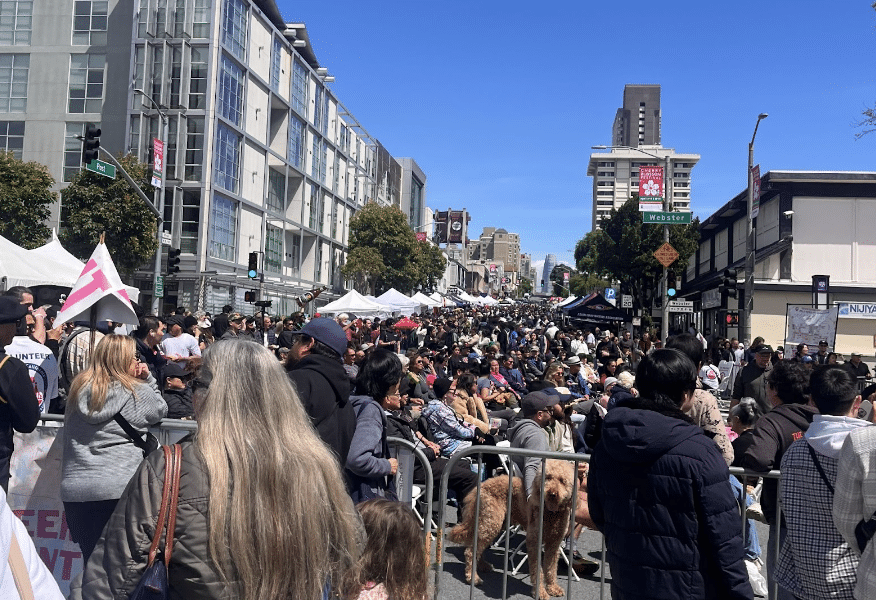
The Northern California Cherry Blossom Festival is one of the most prominent and vibrant celebrations of Asian traditions on the West Coast of the United States. Established in 1968, this annual event serves as a magnificent showcase of Japanese culture and the rich heritage of the Japanese American community. Stretched across the historic streets of San Francisco’s Japantown, the festival draws hundreds of thousands of residents and global travelers together to welcome the arrival of spring and honor long-standing cultural alliances.
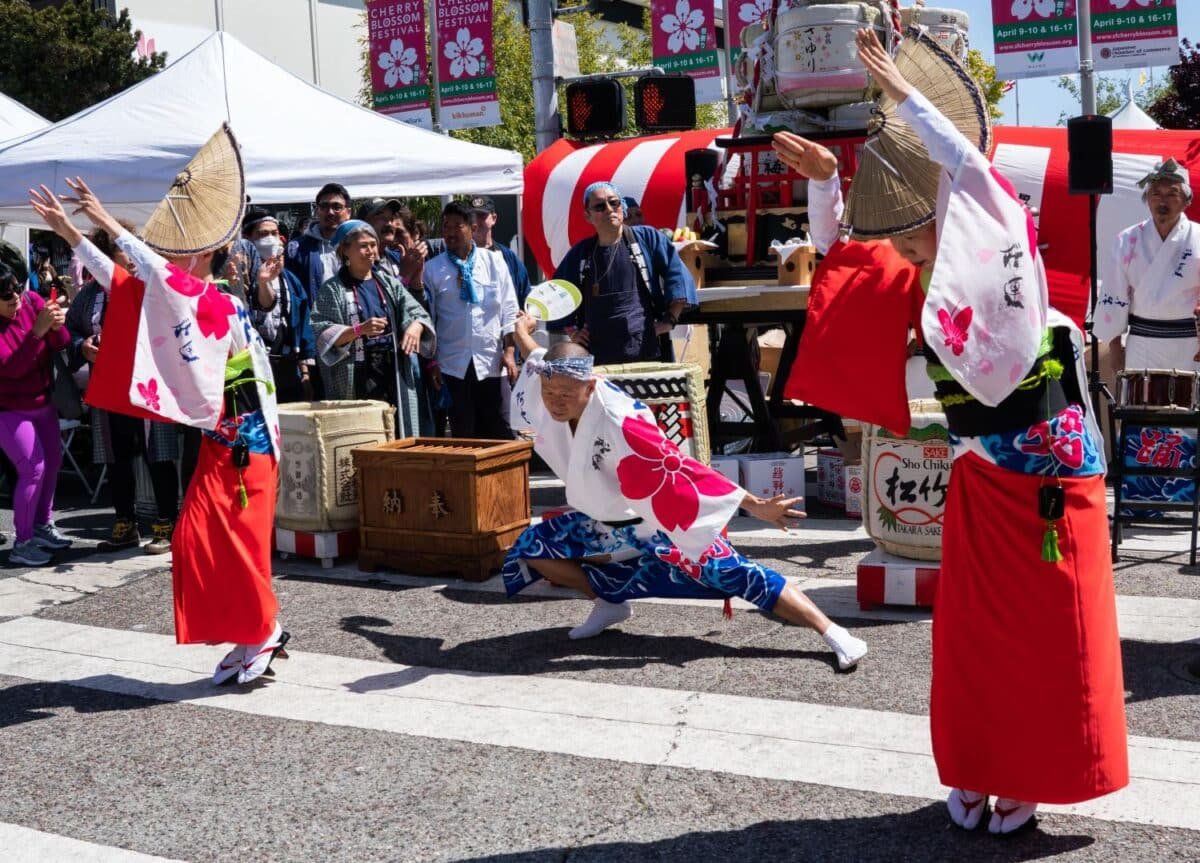
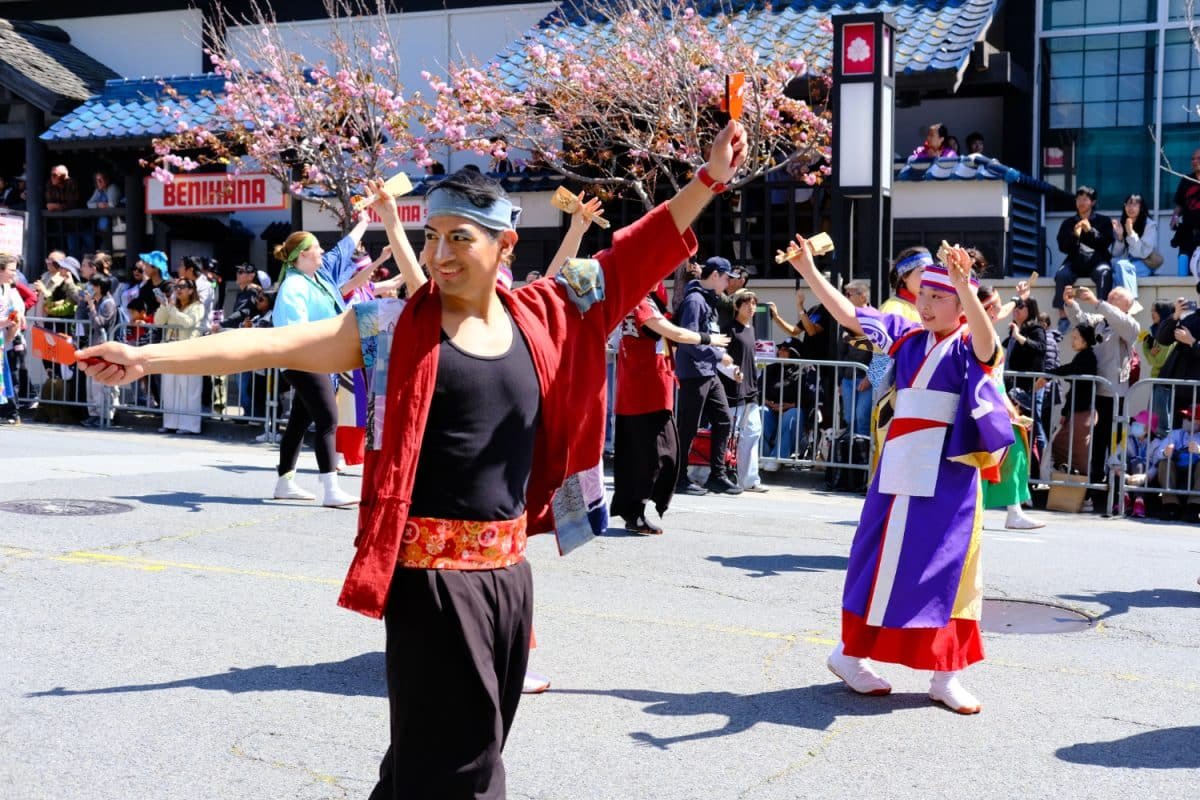
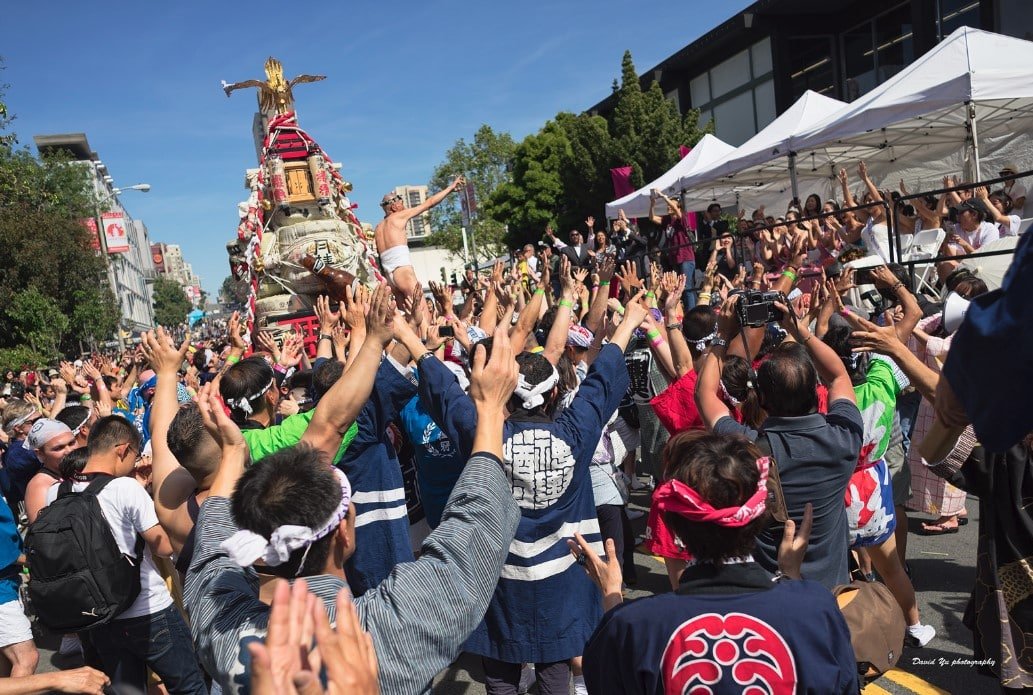
Throughout the festival grounds, attendees are fully immersed in a stunning sensory landscape where traditional arts meet contemporary pop culture. The bustling corridors are filled with the thunderous echoes of taiko drumming, elegant live displays of traditional dance, and a massive array of open-air community booths. Visitors have the unique opportunity to explore authentic customs, admire intricate floral arrangements, and engage directly with local artisans who preserve centuries-old Japanese crafts.
The multi-weekend celebration fosters a profound environment of unity, mutual appreciation, and joyful exchange in one of the last remaining officially designated Japantowns in the country. It provides a welcoming platform for people of all cultural backgrounds to share in a deep appreciation for the community’s history, resilience, and creative expression. The entire event leaves a lasting impression of hospitality and cross-cultural friendship on everyone who wanders through its petals-strewn pathways.
Enjoy Your Event Stress-Free with USA Travelo
Do you know? Planning a trip to attend a festival, concert, or business event in USA can be overwhelming—tickets, travel, accommodation, and local logistics all take time and effort. USA Travelo makes it simple by providing everything you need through one trusted company. You save time, avoid stress, and enjoy a seamless experience from start to finish.
Event Highlights
- Grand Parade Finale: A spectacular procession featuring vibrant decorative floats, traditional dancers, and magnificent musical performers marching from the Civic Center into the heart of Japantown.
- Taiko Drumming Festival: Live, powerful performances by world-class percussion ensembles showcasing the thunderous rhythm and intense discipline of traditional Japanese drumming.
- Cultural Arts Displays: Intricate indoor and outdoor exhibitions highlighting classical art forms including koto harp music, origami, bonsai cultivation, and delicate tea ceremonies.
- East-Meets-West Zone: A lively dedicated area celebrating modern Japanese pop culture trends, featuring anime showcases, video gaming booths, and colorful J-Pop performances.
Why Attend
This festival offers an extraordinary opportunity to engage directly with authentic Japanese and Japanese American culture in a lively, festive street setting. By gathering master artists, civic leaders, and community volunteers in a historic neighborhood, the event provides an unmatched educational and sensory experience that beautifully bridges past traditions with modern global styles.
It is ideal for families, cultural enthusiasts, food lovers, pop culture fans, and anyone looking to experience the unique communal energy of San Francisco during the spring season. Attendees benefit from free access to world-class stage performances, rare craft demonstrations, and an uplifting atmosphere of collective celebration and neighborhood pride.
Date & Duration
- Event Date: In the month of April 2027 (exact dates TBD)
- Event Duration: The festival takes place across two consecutive weekends, with main programming running throughout the daytime hours.
Visiting this event? Don’t miss out on these amazing activities and local experiences while you’re here.
Ticket Information
- How Tickets Are Sold: General admission to the street fair, performance stages, and outdoor marketplace areas requires no reservation or advance physical vouchers.
- Admission Type: This is a completely open public community event welcoming local residents and global visitors alike.
- Ticket Pricing: Free Admission
- Special Seating Options: Open general public viewing areas are available along the parade route and around the main outdoor performance stages.
- VIP Options: Select indoor evening cultural programs, community galas, or localized seating zones may offer independent entry rules via community non-profit hosts.
Venue / Location
- City and Country: San Francisco, USA
- Venue Name: Japantown Peace Plaza and Surrounding Streets
- Google Maps Address: 1610 Geary Blvd, San Francisco, CA 94115, United States
Contact Information
- Email: info@sfcherryblossom.org
- Phone Number: +1 808-942-1848
- Official Website: https://sfcherryblossom.org/
Accommodation Options
San Francisco boasts an exceptional variety of lodging choices located close to the historic Japantown neighborhood, ranging from stylized boutique hotels to renowned luxury hotel brands downtown. Staying within or immediately adjacent to the Japantown district grants immediate foot access to the main performance stages and street festival areas, eliminating the need for daily commuting.
Many travelers also choose to book modern accommodations along the nearby Embarcadero waterfront or the central Union Square district, which offer direct transit connections to the venue grounds. Due to the high popularity of the city during the spring blossoming season, securing your hotel reservations several months prior to the festival month is highly recommended.
Getting There
- Nearest Airport: San Francisco International Airport is situated approximately 14 miles south of the festival site.
- Nearest Train/Metro Station: Powell Street BART Station serves as the primary regional rail connection, located just over a mile from the venue.
- Bus Routes or Public Transport Options: SF Muni bus lines 38 Geary, 38R Geary Rapid, 22 Fillmore, and 2 Sutter drop passengers off directly next to the festival borders.
- Parking Availability: Limited underground vehicle placement is available at the central Japan Center Garage, with additional public parking structures situated around Fillmore Street.
- Directions by Car: Accessible from the north via Highway 101 across the Golden Gate Bridge exiting onto Marina Boulevard, or from the east via Interstate 80 across the Bay Bridge exiting toward Golden Gate Park.
What is this event?
This event is a premier annual spring celebration dedicated to honoring the vibrant cultural legacy and modern contributions of the Japanese American community in Northern California. It transforms multiple city blocks into a grand open-air festival filled with live music, artisan crafts, and historic heritage demonstrations.
The gathering serves as an important bridge of friendship and mutual understanding between the United States and Japan through shared cultural appreciation. It culminates each year with an extensive public parade that unifies community organizations from across the entire region.
Why is it popular?
The event is popular due to its immersive festive atmosphere, its incredible variety of free high-quality entertainment, and its location inside one of America’s few remaining Japantowns. From rhythmic drumming to unique food offerings, it gives visitors a comprehensive and authentic experience of Japanese arts.
It has also earned a loyal following because it beautifully balances ancient historical arts with modern contemporary subcultures like anime and gaming. This dynamic blend ensures that the festival remains deeply engaging for multiple generations of attendees year after year.
Tips before you go
- Utilize Public Transit: Rely on local bus routes or rideshare options to reach the neighborhood, as local streets are closed to vehicles and parking is exceptionally limited.
- Arrive Early for Shows: Position yourself near the main stages or along the Sunday parade route early in the day to guarantee an unobstructed view of the top performers.
- Dress in Layers: Prepare for San Francisco’s famously changing weather by wearing layers that can accommodate cool morning fog and sunny afternoon skies.
- Support Local Non-Profits: Purchase authentic treats and handmade goods from the neighborhood food booths, as proceeds directly fund vital community youth programs.
- Explore the Indoor Malls: Step inside the adjacent Japan Center malls during the day to discover additional specialized shops, traditional restaurants, and indoor cultural exhibits.
Attendee Experiences
- The energy of the taiko drum performances shook the entire plaza and the sense of community pride in the air was truly beautiful to witness.
- Walking through the streets filled with blooming trees and seeing everyone celebrate Japanese culture together is my absolute favorite spring tradition.
- The grand parade was spectacular from start to finish with so many amazing dancers and beautifully designed floats filling the avenues.
Video
Location
FAQ
Are the outdoor performance stages and street fair accessible to individuals with mobility devices?
Yes, the outdoor festival areas, street marketplace corridors, and the main plaza zones are fully situated on flat public avenues and accessible concrete walkways. Ramp access is readily available throughout the neighborhood to ensure all attendees can enjoy the open-air stages and parade routing smoothly.
Can visitors purchase traditional Japanese food and snacks directly at the festival?
Yes, the festival features a highly popular non-profit food bazaar that serves an extensive selection of authentic Japanese culinary items like takoyaki, sushi, and teriyaki. These food booths are managed by local community organizations, allowing visitors to enjoy delicious treats while directly supporting regional civic causes.
What happens to the festival activities if it rains during the weekend?
The street fair, main outdoor stages, and concluding parade are designed to operate as all-weather events and will proceed through light spring rain showers. In the event of severe inclement weather, specific musical performances and delicate cultural art exhibits will be safely relocated into indoor community centers.
Is there a specific entry pass required to watch the Grand Parade on the final weekend?
No entry pass or ticket is required to stand along the public streets and watch the magnificent procession move through the city avenues toward Japantown. Spectators are welcome to gather along the designated neighborhood sidewalks completely free of charge to enjoy the music, floats, and dancing.
Are domestic pets allowed to walk through the crowded street festival areas?
While domestic pets are legally permitted on public city sidewalks, owners are strongly advised to leave their animals at home due to the immense crowds and loud noises. The high density of attendees and the loud thunder of taiko drums can be highly stressful and unsafe for standard household pets.

Leave a Reply