
-
August 12, 2026
Event date:
-
August 17, 2026
Event end:
Overview
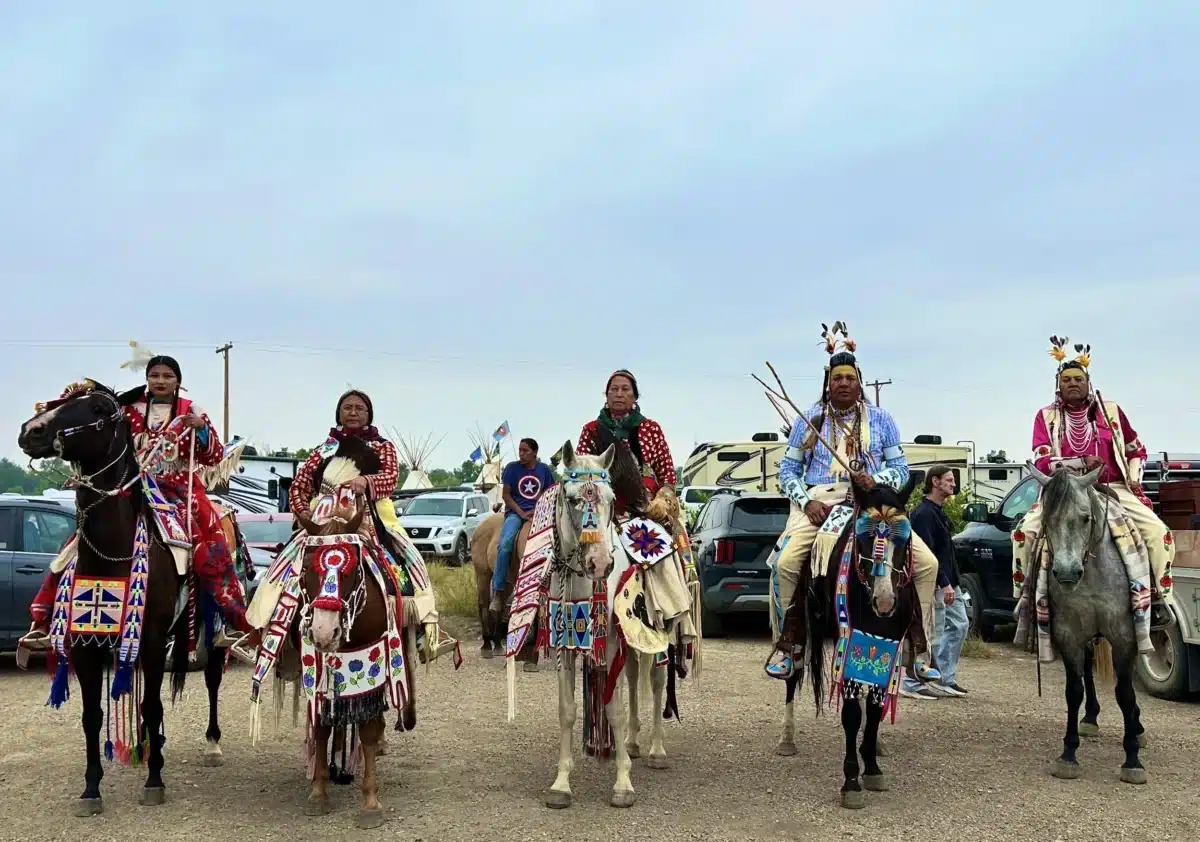
Crow Fair is a magnificent cultural gathering that transforms the landscape of rural Montana into a vibrant epicenter of Native American heritage. Established in 1904, this historic multi-day celebration acts as a profound reunion for the Apsáalooke people and hundreds of visiting tribes from across North America. Spanning along the scenic banks of the Little Bighorn River, the event has earned global recognition as a premier showcase of indigenous song, dance, horsemanship, and ancestral pride.
The gathering grounds are world-famous for becoming the teepee capital of the world during the event window. Well over a thousand traditional canvas structures are pitched side by side, creating a massive, breathtaking modern-day encampment that stretches as far as the eye can see. Visitors are fully immersed in a sensory landscape filled with the steady rhythm of multi-generational drum groups, the beautiful sight of intricate family regalia, and the warm hospitality of tribal camps.
Beyond the competitive dances and grand processions, the fair highlights the deep spiritual and familial ties that sustain tribal identity across generations. The daily schedule blends historical customs with thrilling athletic competitions, ensuring every visitor experiences the true depth of native culture. The inclusive and welcoming environment allows people of all backgrounds to gain a profound, respectful understanding of Native American traditions in an authentic community setting.
Enjoy Your Event Stress-Free with USA Travelo
Do you know? Planning a trip to attend a festival, concert, or business event in USA can be overwhelming—tickets, travel, accommodation, and local logistics all take time and effort. USA Travelo makes it simple by providing everything you need through one trusted company. You save time, avoid stress, and enjoy a seamless experience from start to finish.
Event Highlights
- Teepee Capital Encampment: The unique sight of up to 1,500 traditional canvas teepees pitched across the river valley, forming the largest modern-day village of its kind.
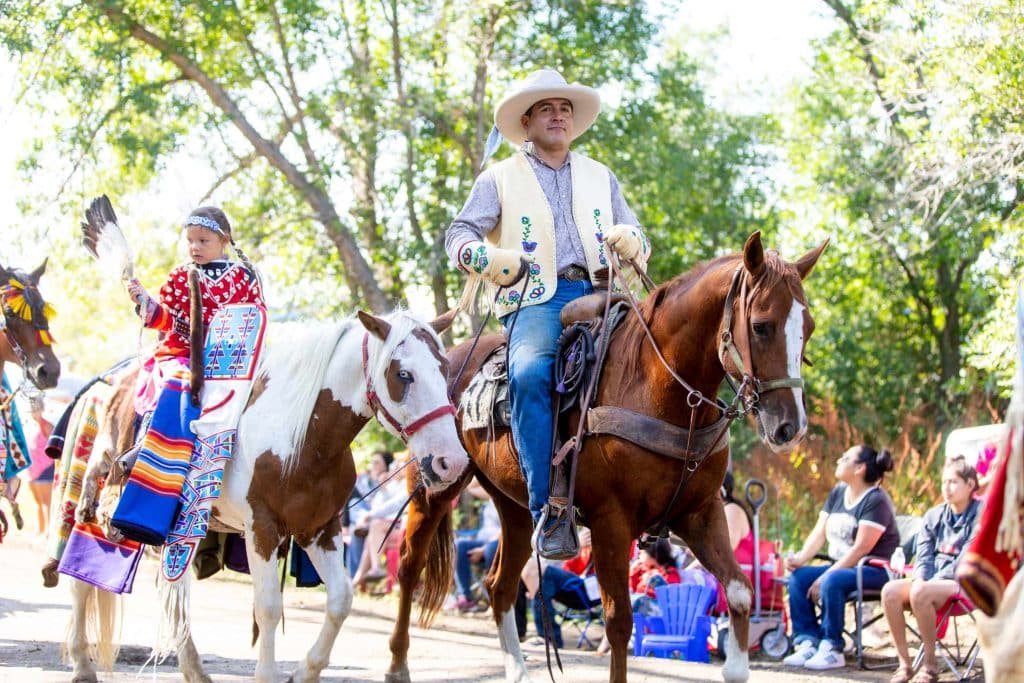
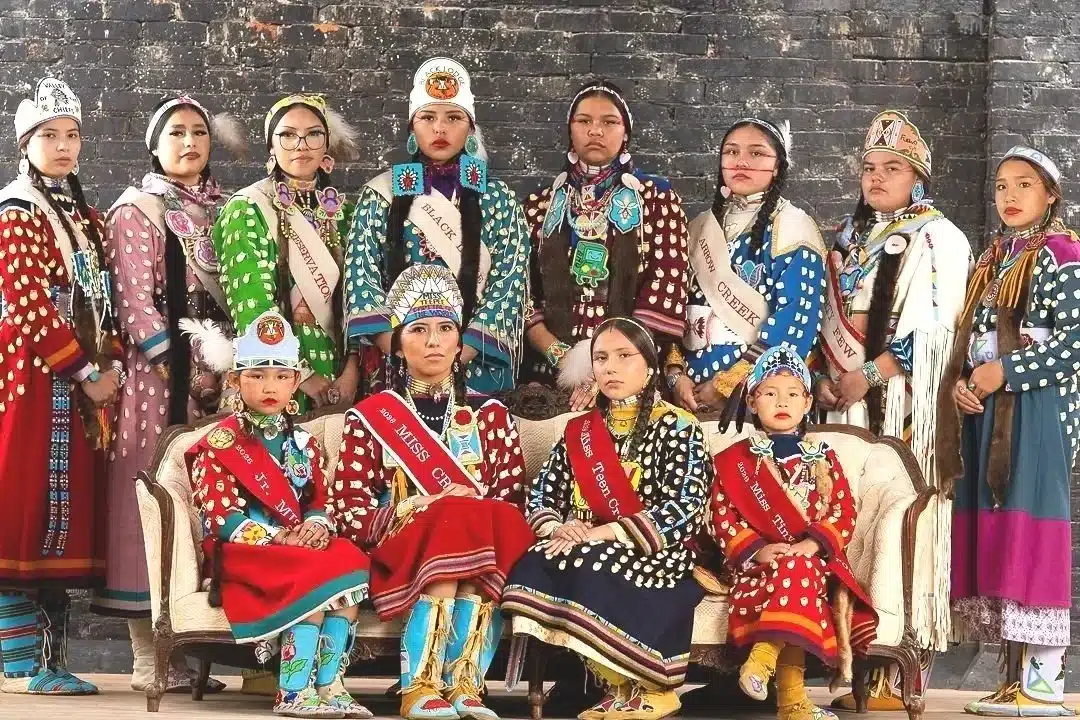
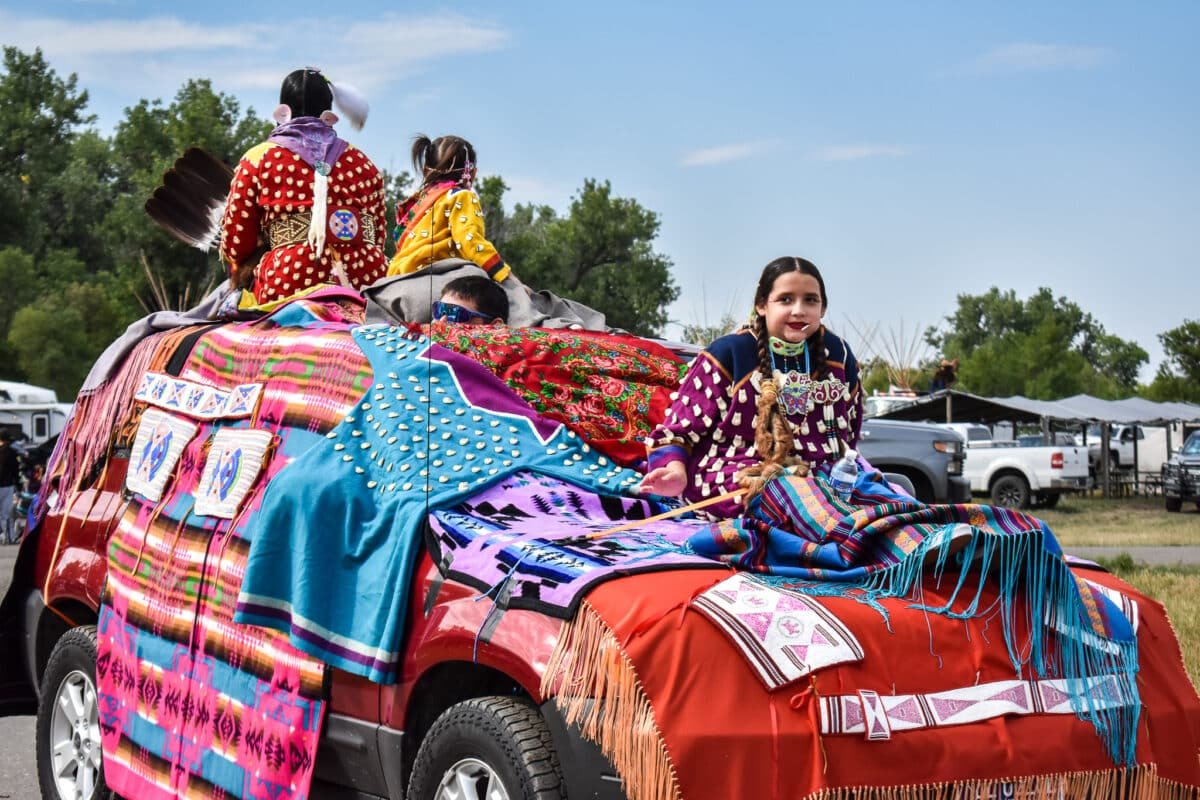
- Daily Morning Parades: Elaborate daily processions showcasing family clans on horseback proudly wearing ancestral beadwork, buckskin, and prize-winning tribal regalia.
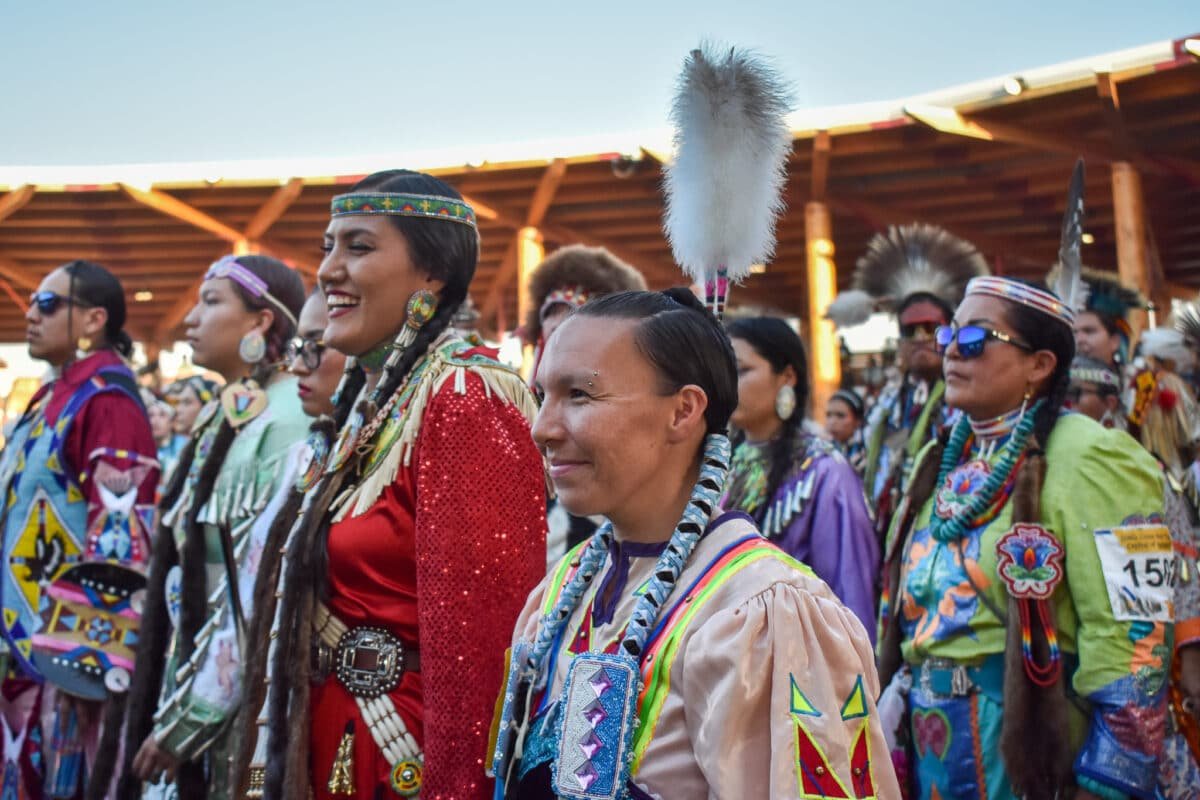
- Grand Evening Powwows: Spectacular dance competitions featuring hundreds of dancers moving to the synchronized rhythms of world-class host drum groups inside the circular arbor.
- All-Indian Rodeo Competition: Thrilling daily rodeo events and horse races held at the nearby memorial complex, highlighting the legendary horsemanship and competitive spirit of the Crow Nation.
Why Attend
This event offers an unmatched opportunity to witness the living history and enduring strength of Native American traditions in a genuinely authentic environment. Joining thousands of tribal members as they pass on sacred songs, complex dance styles, and ancestral stories provides a profound sense of unity and deep cultural education.
The celebration is ideal for history enthusiasts, cultural travelers, families, documentary photographers, and anyone looking to experience an authentic celebration of indigenous heritage. Attendees benefit from direct exposure to master artisans, thrilling athletic events, and a powerful atmosphere of collective pride and shared humanity.
Date & Duration
- Event Date: August 12-17, 2026
- Event Duration: The festival spans six consecutive days with continuous morning parades, afternoon rodeos, and evening powwow sessions.
Visiting this event? Don’t miss out on these amazing activities and local experiences while you’re here.
Ticket Information
- How Tickets Are Sold: Day and weekend general admission passes are available directly at the venue vehicle entrance gates throughout the week.
- Admission Type: Open public admission allows access to the general parade viewing areas, the main powwow arbor, and the rodeo complex.
- Ticket Pricing: $10.00 to $45.00
- Special Seating Options: General open bleacher seating and grass areas are available around the main dance arbor and rodeo arena on a first-come basis.
- VIP Options: Enrolled members of any federally recognized Native American tribe are granted free admission to all fair events, while non-tribal guests pay standard public parking and entry fees.
Venue / Location
- City and Country: Crow Agency, United States
- Venue Name: Crow Agency Powwow Grounds and Edison Real Bird Memorial Complex
- Google Maps Address: 1701 Heritage Rd, Crow Agency, MT 59022, United States
Contact Information
- Email: noeltwoleggins@crowfair.org
- Phone Number: +1 406-970-5379
- Official Website: https://www.crowfair.org/
Accommodation Options
The most common and fully immersive way to stay at the fair is by arranging primitive outdoor camping within the designated public camping zones adjacent to the encampment. Sleeping under the stars allows visitors to hear the soothing sounds of morning camp criers and evening drum practices echoing along the river valley.
For travelers who prefer modern indoor lodging, the nearby city of Hardin and the larger metropolitan area of Billings offer a reliable selection of traditional hotels, motels, and vacation rentals. Booking these regional accommodations well in advance of August is absolutely essential due to the high volume of international and domestic tourists arriving for the fair.
Getting There
- Nearest Airport: Billings Logan International Airport is situated approximately 62 miles northwest of the encampment grounds.
- Nearest Train/Metro Station: Billings Transit Center serves as the primary regional transportation connection linking travelers to south-central Montana.
- Bus Routes or Public Transport Options: Regional charter buses and private shuttle services operate seasonal routes along the main interstate corridors connecting neighboring towns to Crow Agency.
- Parking Availability: Expansive dirt and grass public parking lots are situated directly outside the main camp entrance and the rodeo complex.
- Directions by Car: Accessible easily from the north or south via Interstate 90, taking Exit 510 directly onto the frontage road and following local signage toward the visible teepee village.
What is this event?
This event is a massive annual Native American cultural festival, rodeo, and powwow hosted by the Crow Tribe of Indians to celebrate family, heritage, and tribal pride. It serves as one of the largest and oldest gathering traditions for indigenous peoples in the United States.
The fair functions as a living cultural sanctuary where distinct songs, complex regalia styles, and ancient social customs are actively preserved and practiced. It welcomes tens of thousands of tribal participants and global spectators to share in a week of peaceful cultural exchange.
Why is it popular?
The event is popular because of its unparalleled visual scale, featuring the awe-inspiring sight of a massive historic teepee village operating dynamically in the modern era. The rare opportunity to witness hundreds of beautifully adorned horses and skilled riders marching together draws travelers from across the globe.
It has also gained immense popularity because it remains deeply rooted in true community tradition rather than commercial entertainment. The powerful energy of the competitive drum circles and the world-class horsemanship displayed at the rodeo create an unforgettable experience for everyone who visits.
Tips before you go
- Bring Portable Chairs: Pack comfortable lawn chairs or blankets to ensure you have a dedicated spot to watch the morning parades and evening dance competitions comfortably.
- Respect Camp Privacy: Remember that individual teepee campsites are private family homes, so always ask for explicit permission before entering a camp or taking photos of specific individuals.
- Prepare for Heat: Dress in light clothing and carry plenty of drinking water, as afternoon temperatures in Montana during August can become exceptionally hot.
- Observe Reservation Laws: Respect the regulations of the Crow Sovereign Nation, which strictly prohibit the possession or consumption of alcohol and drugs anywhere within reservation borders.
- Yield to Horses: Always remain alert and give horses the absolute right of way along all dirt roads, pathways, and parade trails throughout the day.
Attendee Experiences
- Standing at the edge of the camp and seeing over a thousand teepees glowing in the twilight is something I will never forget.
- The rhythm of the drums and the incredible detail of the dance regalia made the evening powwow absolutely mesmerizing to watch.
- Everyone we met was incredibly welcoming and watching the morning parade on horseback felt like stepping into a beautiful living history.
Video
Location
FAQ
Can non-tribal visitors take photos during the dances and parades?
Yes, general photography for personal use is fully permitted during the morning parades, open rodeo events, and regular powwow grand entries. However, guests must listen closely to the master of ceremonies, as photography is strictly banned during specific sacred honoring songs or prayer rituals.
Are there public restrooms and food vendors available on the grounds?
Yes, the fairgrounds feature a large central marketplace filled with various food booths serving authentic native cuisine like fresh frybread and Indian tacos. Multiple rows of public portable restrooms are also strategically positioned across the campgrounds and near the main dance arbor for convenience.
Is there a schedule indicating when the daily events start?
The general schedule follows a traditional sequence starting with the morning parade around mid-morning, followed by afternoon rodeo races, and concluding with the grand entry powwow at dusk. Because events run on natural community time, exact starting hours can fluctuate slightly based on weather conditions and participant readiness.
Are domestic pets allowed to accompany visitors inside the encampment?
Domestic pets are technically permitted on the grounds but must remain securely on a short leash at all times for safety reasons. Owners are strongly cautioned that the loud sounds of firecrackers, drumming, and large groups of passing horses can easily frighten standard household pets.
What historic attractions are located near the fairgrounds for visitors to explore?
The historic Little Bighorn Battlefield National Monument is located just a few miles down the road, providing a deeply educational look at the famous regional battle. Visitors can easily combine their trip to the fair with a visit to the monument museum to gain a deeper historical perspective.

Leave a Reply