



Overview
The Chicago Architecture Biennial stands as the largest international survey of contemporary architecture and design in North America. This city-wide platform transforms the architectural landscape of Chicago into an expansive, collaborative forum, welcoming visionaries, professionals, and enthusiasts from all over the world. By showcasing avant-garde ideas, physical installations, and spatial experiments, the event serves as a living snapshot of the pressing questions and creative directions defining the built environment today.
Rooted in a rich history of architectural innovation, the event brings together a vast collective of designers, artists, and theorists to engage with the public in unique and unexpected ways. Through a series of curated displays, public programs, and academic collaborations, it actively examines how design can address major socio-political, environmental, and cultural issues. The city itself becomes a giant classroom, utilizing historic landmarks and cultural hubs to foster a global dialogue regarding the future of urbanism and spatial design.
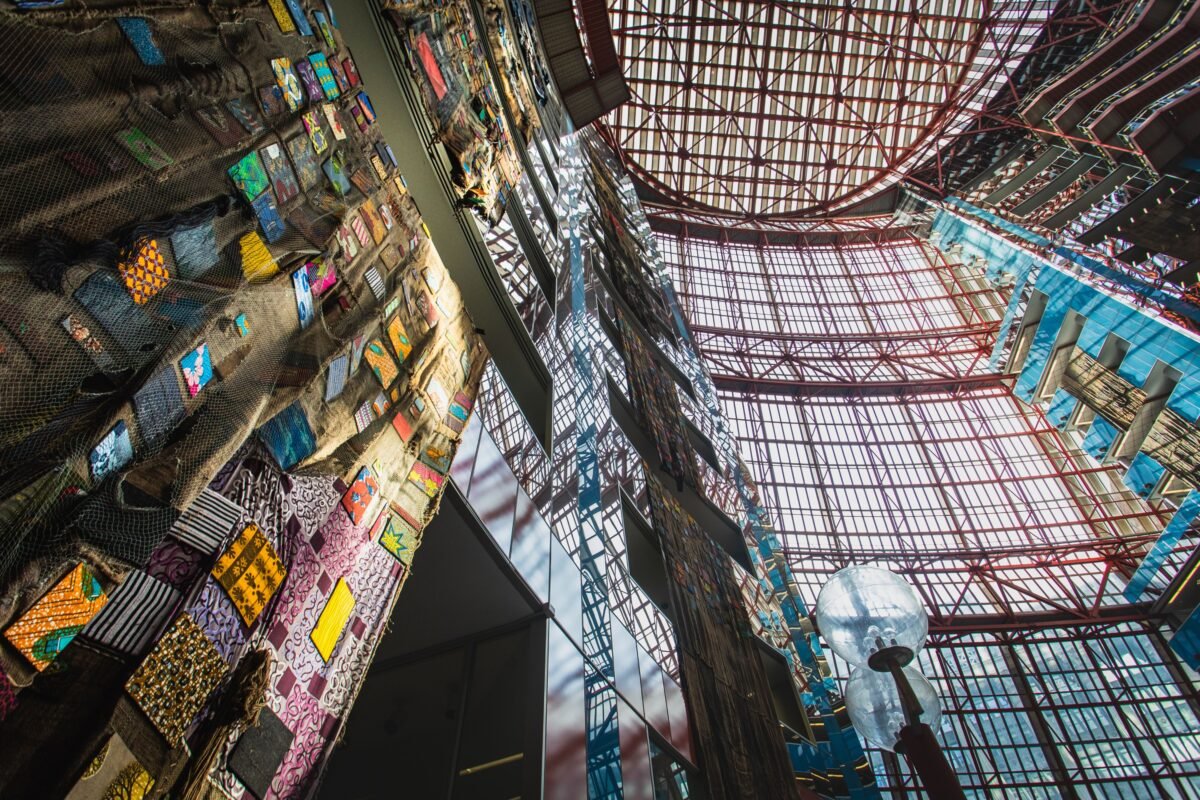
What sets this event apart is its deep commitment to community engagement and equity, ensuring that local neighborhoods and international voices intersect. Visitors are invited to explore a sprawling network of exhibitions that challenge conventional boundaries and offer inspiring design solutions for shared civic spaces. From thought-provoking interior showcases to large-scale outdoor installations, the gathering provides an unparalleled opportunity to see how creativity can radically transform our lived experiences.
Enjoy Your Event Stress-Free with USA Travelo
Do you know? Planning a trip to attend a festival, concert, or business event in USA can be overwhelming—tickets, travel, accommodation, and local logistics all take time and effort. USA Travelo makes it simple by providing everything you need through one trusted company. You save time, avoid stress, and enjoy a seamless experience from start to finish.
Event Highlights
- Global Design Survey: The exhibition gathers over one hundred international contributors from dozens of countries to present groundbreaking projects and spatial concepts.
- City-Wide Platform: Creative displays and interactive installations are hosted across multiple community anchor sites, local museums, and historic neighborhoods throughout Chicago.
- Community Engagement Focus: Integrated youth education programs, family festivals, and public workshops are designed to connect local citizens with elite global designers.
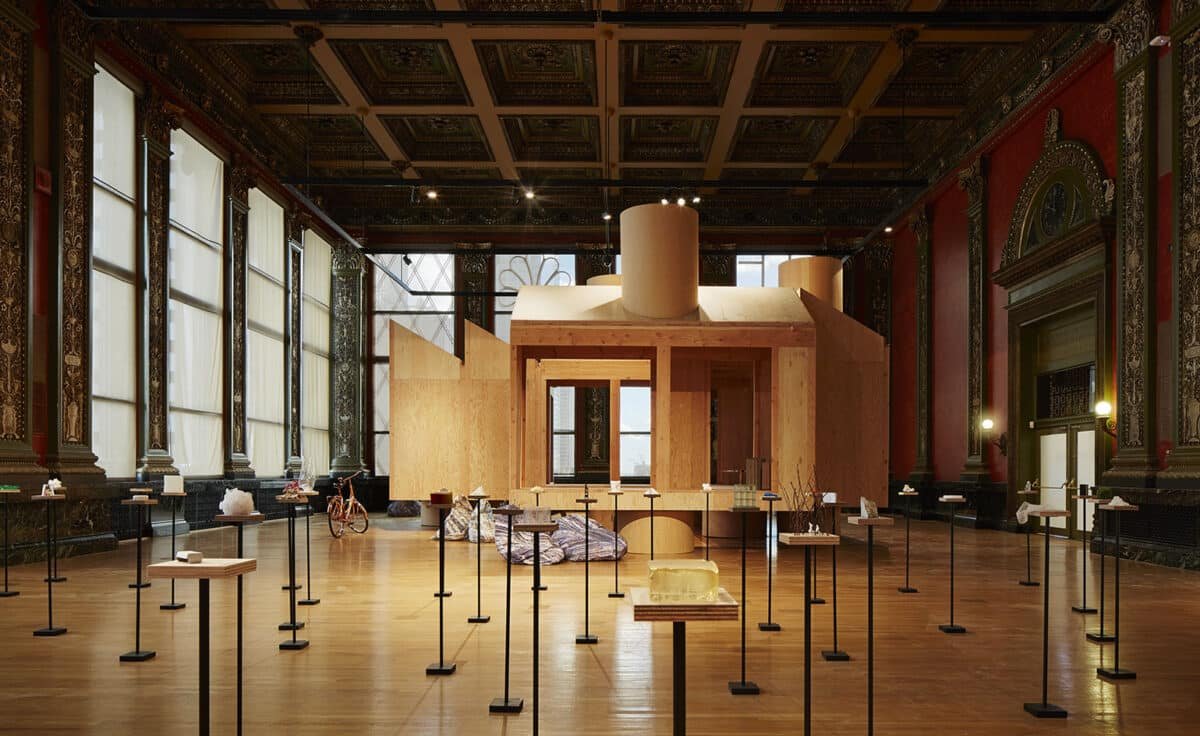
- Innovative Installations: Full-scale experimental models and structural pavilions highlight cutting-edge materials, sustainable technologies, and new building practices.
Why Attend
Attending this global exhibition offers an extraordinary look into the future of urban environments and design thinking. It provides a rare chance to witness how leading creative minds plan to tackle modern challenges like climate change, housing access, and community infrastructure through spatial design. Visitors gain inspiration from real-world design solutions that blend aesthetic beauty with deep social purpose, offering a unique perspective on the power of architecture.
This event is ideal for professional architects, interior designers, urban planners, students, and anyone curious about how cities evolve. It serves as a premier networking hub where practitioners can build international collaborations, while design enthusiasts can experience stunning artistic expressions. Attendees walk away with a deeper appreciation for historic preservation, a better understanding of cutting-edge materials, and an inspired outlook on how spaces shape human behavior.
Date & Duration
- Event Date: From September 2027 to February 2028 (exact dates TBD)
- Event Duration: A multi-month cultural festival lasting approximately five months
Visiting this event? Don’t miss out on these amazing activities and local experiences while you’re here.
Ticket Information
- How Tickets Are Sold: Registration is available online through the official platform or at the main venue entrance hubs during regular public hours.
- Admission Type: Free Admission is granted to all primary exhibitions and community installations across the city.
- Ticket Pricing: There are no costs for entry as the entire event offers free public access to its core gallery spaces.
- Special Seating Options: Seating for specific keynote panels, lectures, and opening ceremonies is provided on a first-come, first-served basis inside the auditoriums.
- VIP Options: Premium options include exclusive opening night receptions, private curator-led tours, and dedicated lounge access for registered members and patrons.
Venue / Location
- City and Country: Chicago, United States
- Venue Name: Chicago Cultural Center and various community partner sites across the city
- Google Maps Address: 78 E Washington St, Chicago, IL 60602, USA
Contact Information
- Email: info@chicagoarchitecturebiennial.org
- Phone Number: 312-854-8200
- Official Website: https://chicagoarchitecturebiennial.org/
Accommodation Options:
The city offers an extensive array of lodging choices situated near the primary exhibition spaces in the downtown Loop area. Visitors can choose from historic luxury properties, sleek boutique options, and modern high-rise apartments that provide quick pedestrian access to the lakefront and local design landmarks. Booking rooms along Michigan Avenue keeps travelers within walking distance of the central hubs and public transport connections.
For those interested in exploring the neighborhood-based installations, staying in vibrant outer districts provides an authentic local experience. Boutique bed and breakfasts, budget-friendly hostels, and residential rentals are widely available across the city. Many of these neighborhoods feature independent art scenes, allowing visitors to immerse themselves fully in the creative culture of the region while remaining connected to the main venues.
Getting There
- Nearest Airport: O’Hare International Airport is located approximately eighteen miles northwest of the central downtown venue, while Midway International Airport sits roughly eleven miles southwest.
- Nearest Train/Metro Station: The Washington/Wabash CTA elevated train station is just one block away from the main cultural headquarters.
- Bus Routes or Public Transport Options: Multiple local CTA bus routes pass directly along Michigan Avenue and Washington Street, stopping right outside the central building entrance.
- Parking Availability: Public parking garages and multi-level parking decks are available throughout the downtown Loop district, though space can be limited during peak hours.
- Directions by Car: Drivers can access the downtown core via Interstate 90 East or Interstate 94 East, taking the exits toward the central business district and proceeding toward Millennium Park.
What is this event?
This event is a massive, multi-month international exhibition dedicated to contemporary architecture, urban planning, and spatial design concepts. It acts as a global forum where creative professionals present installations, films, and models that examine the relationship between buildings and society.
The gathering uses the entire city as a stage, turning historic landmarks and public spaces into sites for artistic exploration. It invites everyday citizens to engage with design concepts that directly affect housing, ecology, and public infrastructure.
Why is it popular?
The exhibition has earned massive popularity because it is entirely free and open to the public, stripping away the exclusivity often associated with major global design biennials. It allows everyday community members to interact directly with world-class art and structural engineering.
Additionally, Chicago is worldwide famous for its legendary architectural heritage, making it the perfect historical backdrop for testing future ideas. People flock to the city to see how cutting-edge concepts interact with iconic skyscrapers and historic neighborhood streets.
Tips before you go
- Download the Digital Map: Secure a copy of the official digital program to locate the scattered neighborhood installations and plan your travel route across the city.
- Wear Comfortable Shoes: Expect to do a large amount of walking as you navigate the expansive indoor galleries and outdoor public pavilions.
- Check the Weekly Schedule: Review the main calendar before visiting to catch temporary live performances, expert lectures, and guided walking tours.
- Visit the Central Hub First: Start your journey at the primary cultural center to gather brochures, view the introductory displays, and speak with event staff.
- Reserve Special Programs Early: Secure your spot online for popular panel discussions and curator tours, as seating for limited workshops fills up quickly.
Attendee Experiences
- The scale of the indoor installations is absolutely breathtaking and it completely changes how you look at everyday building materials.
- Walking through the historic rooms while looking at futuristic city models creates an incredible contrast that any design fan will love.
- The neighborhood sites are fantastic because they let you explore parts of the city you might otherwise completely miss as a tourist.
Video
Location
FAQ
What is the main venue for the exhibition?
The historic central hub for the event is located right in the heart of downtown near Millennium Park. Additional specialized displays and creative community installations are placed at partner museums, neighborhood arts centers, and public parks scattered throughout the city.
Do I need to purchase tickets in advance?
No advancement purchases are required because the primary galleries and public installations are completely free for everyone to enter. Some specific educational workshops, film screenings, or premium evening panels might require prior online registration due to limited seating capacities.
Is the event suitable for children and families?
The exhibitions are highly family-friendly and feature dedicated youth education initiatives designed to introduce students to the world of design. Interactive physical models, hands-on weekend workshops, and vibrant outdoor installations provide engaging experiences for visitors of all ages.
How much time should I plan to spend at the exhibition?
Exploring the primary downtown headquarters thoroughly will take around two to three hours of your time. If you wish to visit the various neighborhood anchor sites and attend public design lectures, you should plan your visits across multiple days.
Are the exhibition spaces accessible for visitors with limited mobility?
The main cultural facility and participating institutional partner venues are fully equipped with accessible ramps, elevators, and dedicated entryways. Multi-sensory display elements, including audio descriptions and closed captioning, are integrated into many of the architectural installations.

Leave a Reply